
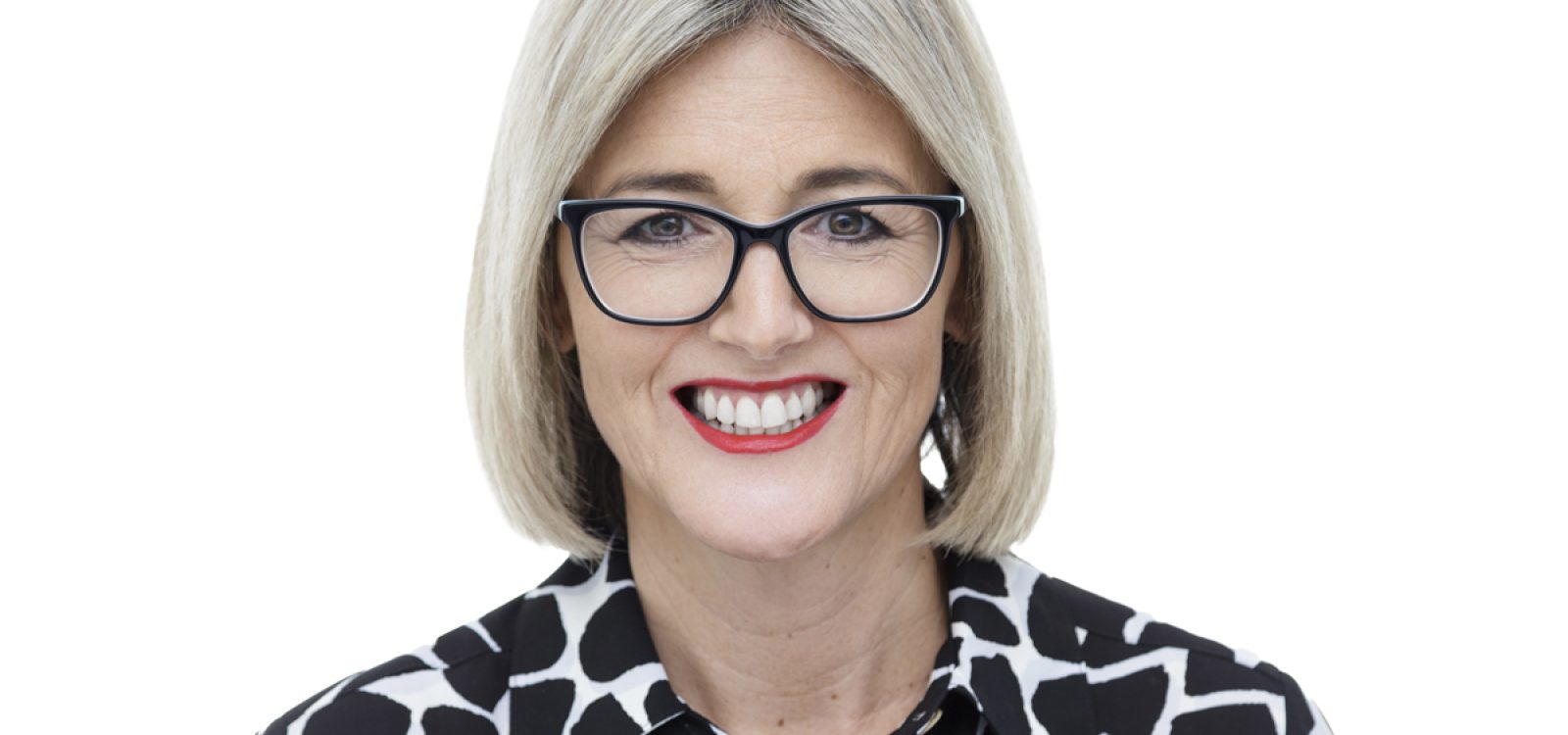
When Labour’s VAT raid pushed up costs, Michelle Daniells had to make difficult decisions for her children.
Michelle Daniells knows many in Britain believe families who send their children to private school are “posh, rich and privileged”.
But the 57-year-old would not consider herself part of that group.
“I was state-educated, and my children went to a state primary school,” she says. “I’m a full-time single parent, and I have been since my kids were little.”
Only as her eldest child neared the end of primary school did she first consider the private sector, after a friend suggested her family might qualify for a bursary. “Until then, I had always thought that I couldn’t possibly afford it,” she says.
Daniells, a management consultant, made enquiries, and to her delight, her son was accepted at a day school with fees of £17,000 a year. She was told that he would qualify for a 50pc discount, which made the price manageable.
“I still couldn’t afford it, but we had some generous grandparents who helped out,” she says.
Two years later, her daughter also started at the same private school on a bursary. Despite mounting costs, Daniells could just about afford the combined annual fees.
But that changed when Labour swept to power in July 2024 and announced it would add 20pc VAT to private school fees. “I knew that it would just tip me over the edge,” she says.
Running out of options, she approached the bursar to explain that she could no longer afford to keep her children at the school.
“I wasn’t necessarily looking to negotiate, but I was saying that we would probably have to leave,” she says. “Thankfully my children’s school was in a position to increase the bursary to 75pc so they could stay.”
Industry insiders say Danielle’s case is not an outlier. Parents are struggling to shoulder the financial pressure of Labour’s VAT raid and are increasingly willing to haggle over school fees to protect their children’s education.
Private school fees soar
Telegraph analysis shows that since 2022-23, boarding schools have raised fees by 43pc, while day fees have risen 39pc over the same period, driven in part by Labour’s VAT penalty. This year, the average Year 13 school fee will increase from £26,550 to £27,734.
Clare Jupp, of The School Fees Company, says: “Parents have become more confident about opening up conversations around fees.
“Similarly, schools are finding they are in competition with other schools for families. Some say that they are probably giving more discounts and bursaries than they would want to ideally.”
Among the parents hit by a fee increase is Karen Thomas*, who has paid her son’s private school fees on a single income without a bursary for the last three years. Over this time, the price has soared from £25,500 a year to £32,300.
After being told in the summer that she would be made redundant, she approached the school for a 10pc discount on the annual fees.
“I was panicking about my financial situation, so I thought it was worth a try,” she says. “Had the VAT not increased, I wouldn’t have been asking for support; I could have managed it. But it comes to just under £6,000 extra a year, which is a lot for one person to manage.”
The school told her she would have to fill out a bursary form for a discount to be considered. Thomas submitted it in September and is still waiting for the school to decide.
For many, rising costs have proven too much to sustain. Figures from the Independent Schools Council reveal that the number of children at private schools has dropped by 30,000 since 2024.
At the same time, high earners who previously would have privately educated their children are now opting for the state sector instead, according to Kirsten Pettigrew of wealth manager Rathbones.
She adds that those who have decided to absorb rising costs are increasingly relying on older generations to foot the bill.
“Grandparents are paying for school fees and seeing it as an opportunity for inheritance tax planning,” she says.
“I have also had conversations with clients about grandparents pre-paying fees for the next year or two years. The problem is that the discount schools offer for pre-paying is often quite abysmal.”
Daniells, who runs the Association for Families of Independent Schooling, points out that a school can only offer so many discounts, given the financial pressure most families are under.
Although she secured an enhanced bursary for her children last year, the costs have now become too great. Her son finished his schooling at a private school, but her daughter is now enrolled in a state school for both years of sixth form.
“A lot of schools will try their best to help families, but it’s becoming more difficult because of everything that’s happened,” she said. “It has created this absolute perfect storm.
“As we know from school closures, there are an awful lot of schools that just have no flexibility.”
A government spokesman said: “We’re very proud that ending tax breaks for private schools is delivering billions of pounds to improve education for the 94pc of children in state schools.
“The overall fall in private school pupil numbers reflects demographic change across the whole school system, not the VAT policy alone. Primary school pupil numbers have been falling since 2018-19. This trend long predates the VAT change.”
*Name has been changed
Labour’s private school VAT raid
Since Jan 1 2025, private school parents are paying VAT on their child’s fees for the first time. Find out if your school still offers value for money.
This is how much fees have risen since September after Labour’s triple tax whammy. If the fees are daunting, there are schemes to help with funding.
Parents are making sacrifices to ensure their children get the best education, including a couple who are spending from their retirement pot, and another who is having to rent a spare room to keep pace with the VAT fee rise.
Meanwhile, the Government’s rhetoric that private schools are out-of-touch institutions has sparked a barrage of abuse aimed at the pupils.